Cooking Korean Lesson
Kimchi and bibimbap made properly, finished with a choice of side dishes.
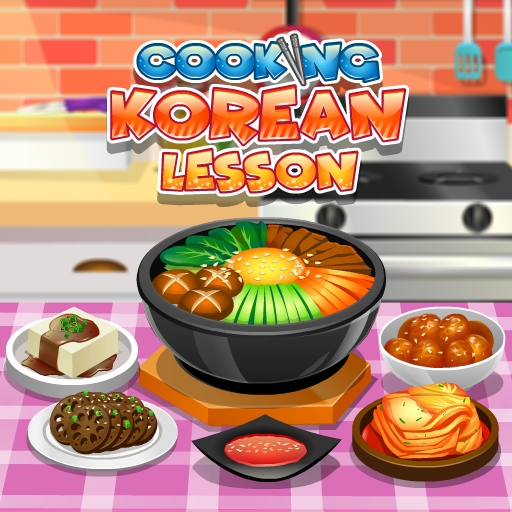
Two dishes that belong together, taught in the order a Korean kitchen would. Kimchi comes first because it is a preparation rather than a meal — salting, rinsing, coating with paste, and then a fermenting step that the game abbreviates but does not skip.
Bibimbap follows and depends on it. The bowl is assembled from separately prepared components arranged in sections rather than mixed, and the kimchi you made earlier appears as one of them, which is a genuinely thoughtful link between the two halves.
The side dish selection at the end is the closest this game comes to free choice, and it matters more than it looks: a Korean table is defined by what surrounds the main bowl, and the game gives you a real spread to choose from.
Controls
Tap the highlighted ingredient or tool; tap side dishes to add them at the end.
How to Play
- Salt and rinse the cabbage, then coat it for kimchi.
- Let it ferment through the shortened stage.
- Prepare each bibimbap component separately.
- Arrange the bowl in sections and choose the side dishes.
Tips & Tricks
Keep the bibimbap components in separate sections rather than spreading them. The dish is meant to be mixed by the eater, and a pre-blended bowl loses the arrangement the game is actually rendering.
Frequently Asked Questions
Does the kimchi you make get used?
Yes. It appears as one of the components in the bibimbap bowl afterwards.
What are the side dishes for?
They complete the Korean table around the main bowl and are chosen at the end.